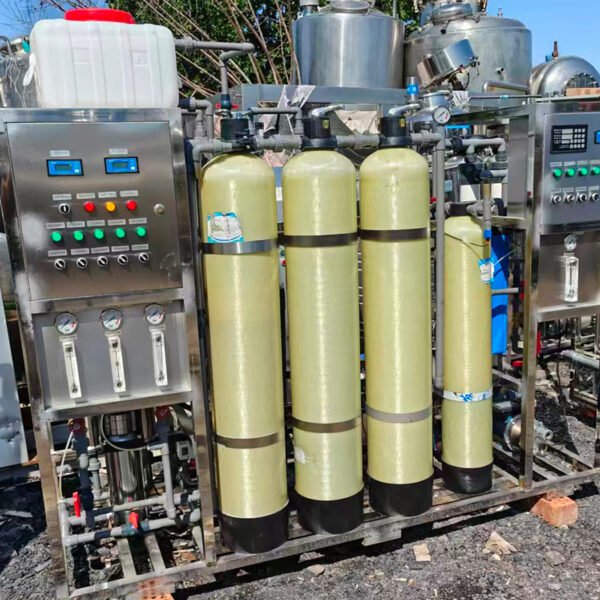
Core Classification and Application Scenarios of Water Treatment
According to the purpose of the treated water or the objects being treated, water treatment is mainly divided into five categories, covering all scenarios such as daily life, industry, and environmental protection.
1.Drinking water treatment
2.Industrial water treatment
3.Urban sewage treatment
4.Industrial wastewater treatment
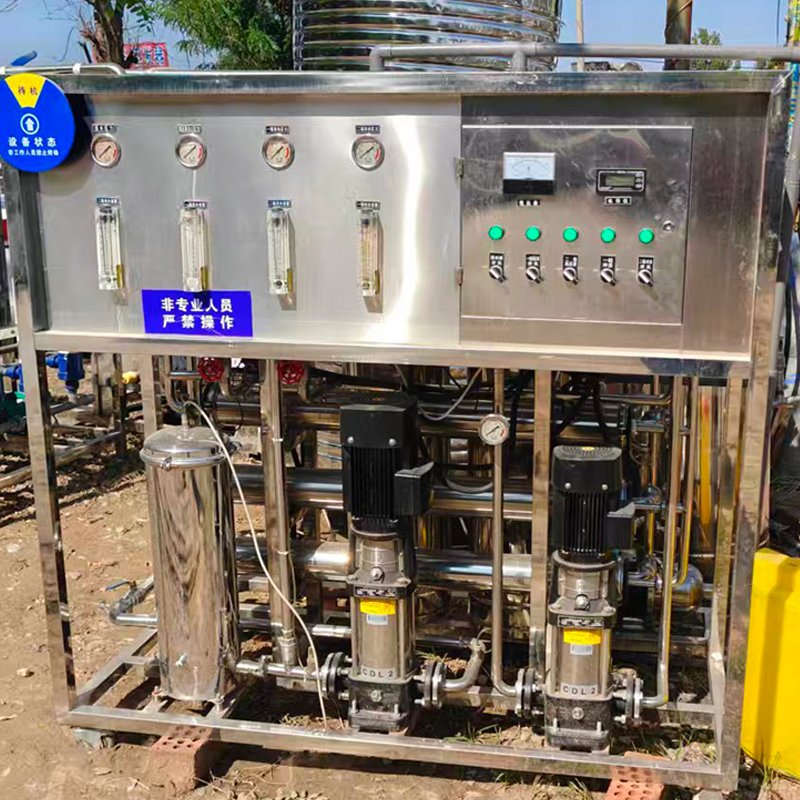
Core technical principles of water treatment
Water treatment technologies can be divided into three major categories based on their mechanism of action: physical methods, chemical methods, and biological methods. In practical applications, “multi-technology combined processes” are often adopted to achieve the best results.
1. Physical method: Separating impurities in water through physical actions without changing the chemical properties of water. Pollutants are removed only by means of screening, interception, precipitation, adsorption, etc., which is suitable for treating suspended solids, colloids, and some macromolecular organic substances. Precipitation/clarification: Using gravity to settle suspended solids in water with a density greater than that of water (such as sediment, algae), which is commonly used in the pretreatment of waterworks (such as horizontal flow sedimentation tanks, inclined tube sedimentation tanks).
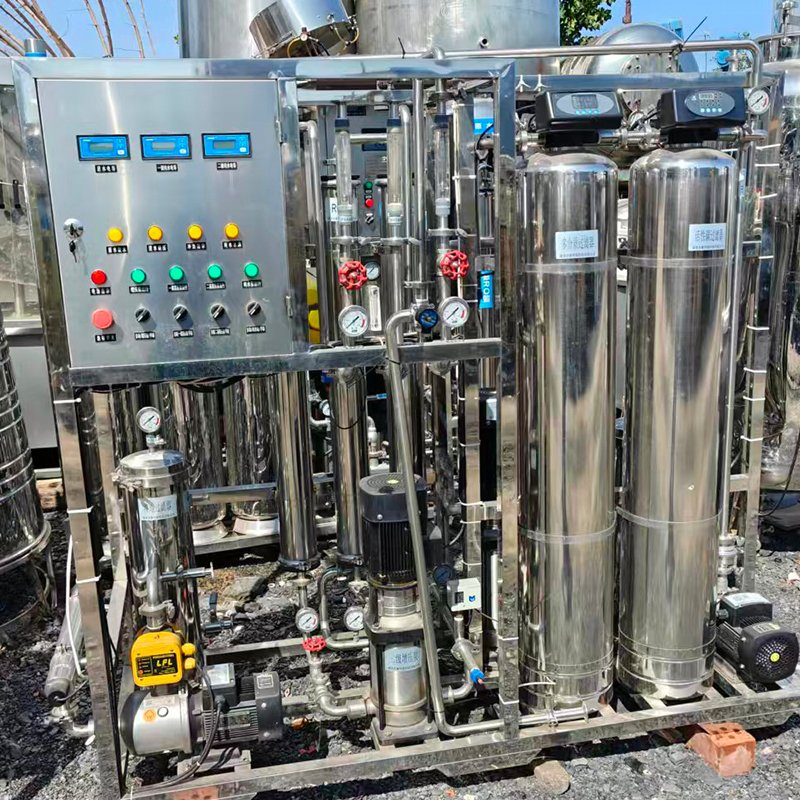
Filtration: Intercepting impurities in water through porous media (such as quartz sand, activated carbon, ultrafiltration membranes), which is divided into:
Conventional filtration: quartz sand filter (removing suspended solids), activated carbon filter (adsorbing residual chlorine, odors, organic substances);
Membrane filtration: ultrafiltration (UF, intercepting bacteria, colloids), nanofiltration (NF, intercepting small molecular organic substances, divalent ions), reverse osmosis (RO, intercepting almost all ions and microorganisms, used for preparing ultrapure water).
Air flotation: Introducing micro-bubbles into water to make tiny suspended solids (such as oil droplets, algae) attach to the bubbles and float up, suitable for treating oily wastewater and low-temperature, low-turbidity water.
Centrifugal separation: Using centrifugal force to accelerate the sedimentation of suspended solids, suitable for dewatering high-concentration sludge (such as centrifugal dewatering machines).
2. Chemical methods: Remove pollutants through chemical reactions by adding chemical agents to water. Through reactions such as redox, neutralization, precipitation, and complexation, pollutants are destroyed or transformed. These methods are suitable for treating heavy metals, toxic organic substances, high-concentration COD, etc.
Coagulation/flocculation: Add coagulants (such as PAC, polyaluminum chloride) to destabilize colloidal particles, then add flocculants (such as PAM, polyacrylamide) to form large flocs, facilitating subsequent sedimentation/filtration (a core pre-treatment step in waterworks).
Neutralization: Adjust the pH value of water. For example, add lime or sodium hydroxide to acidic wastewater (such as electroplating wastewater), and add sulfuric acid or hydrochloric acid to alkaline wastewater (such as papermaking wastewater) to avoid equipment corrosion or impact on subsequent biological treatment.
Chemical precipitation: Add precipitants to make pollutants form insoluble salts. For example, add ferric chloride or aluminum sulfate to phosphorus-containing wastewater to generate iron phosphate precipitates, and add sodium sulfide to heavy metal-containing wastewater to generate sulfide precipitates.
Redox: Use oxidants (such as sodium hypochlorite, ozone, potassium permanganate) to oxidize and decompose organic substances or kill microorganisms (such as disinfection of tap water, decolorization of wastewater); or use reducing agents (such as sodium sulfite) to reduce toxic ions (such as reducing hexavalent chromium to trivalent chromium).
Advanced oxidation processes (AOPs): Targeting refractory organic substances (such as pesticides, antibiotics), pollutants are completely decomposed by generating strong oxidizing species such as hydroxyl radicals (・OH). Common processes include “Fenton’s reaction (H₂O₂ + Fe²⁺)” and “ozone-ultraviolet combined use”.
3. Biological method: using microorganisms to degrade pollutants
Utilizing the metabolic activities of microorganisms (bacteria, fungi, algae) to convert organic matter, ammonia nitrogen, etc. in water into harmless CO₂, H₂O, and N₂ is a core technology in sewage treatment that is low-cost and highly environmentally friendly. It is divided into aerobic biological treatment and anaerobic biological treatment.
Aerobic biological treatment: Under aerobic conditions, aerobic microorganisms degrade organic matter, which is suitable for medium and low concentration organic wastewater (such as domestic sewage, food wastewater):
Activated sludge process: Microorganisms form “activated sludge” through aeration to adsorb and degrade organic matter (such as the “AAO process” and “MBR membrane bioreactor” in urban sewage treatment plants);
Biofilm process: Microorganisms attach to the surface of carriers (such as fillers, filter materials) to form a biofilm, and degradation is completed when water flows over the membrane surface (such as biofilters, contact oxidation tanks).
Anaerobic biological treatment: In an anaerobic environment, anaerobic microorganisms decompose high-concentration organic matter into methane (recoverable energy) and CO₂, which is suitable for high-concentration organic wastewater (such as aquaculture wastewater, beer wastewater, landfill leachate). Common processes include “UASB (Upflow Anaerobic Sludge Blanket)” and “IC (Internal Circulation Anaerobic Reactor)”.
Nitrogen and phosphorus removal: Solve the problem of water eutrophication through “nitrification-denitrification” (converting ammonia nitrogen into N₂) and “excessive phosphorus uptake by phosphorus-accumulating bacteria” (such as AAO process, oxidation ditch process).
The core equipment for water treatment
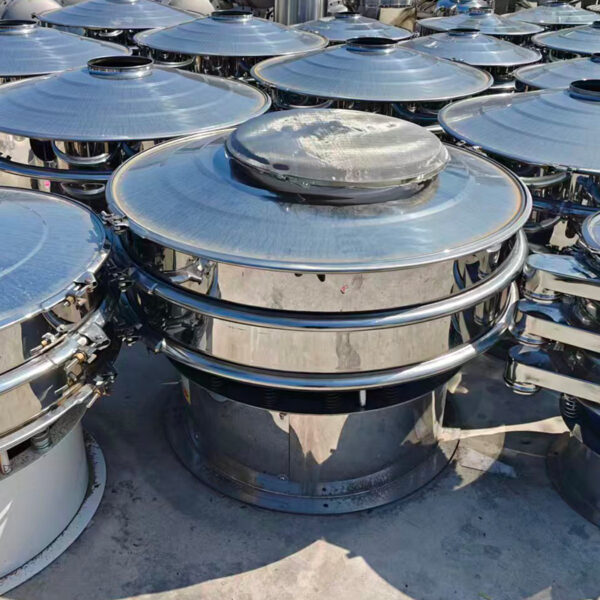
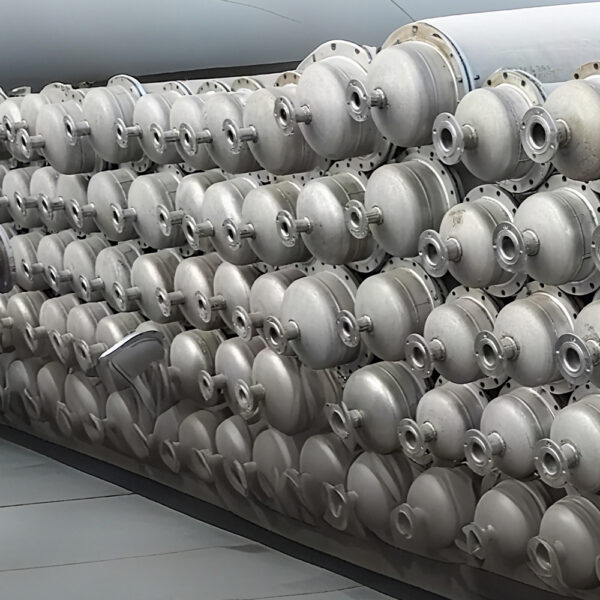
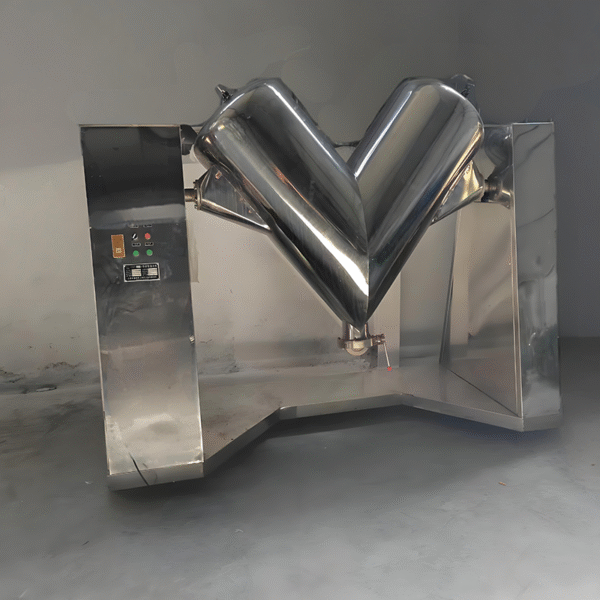
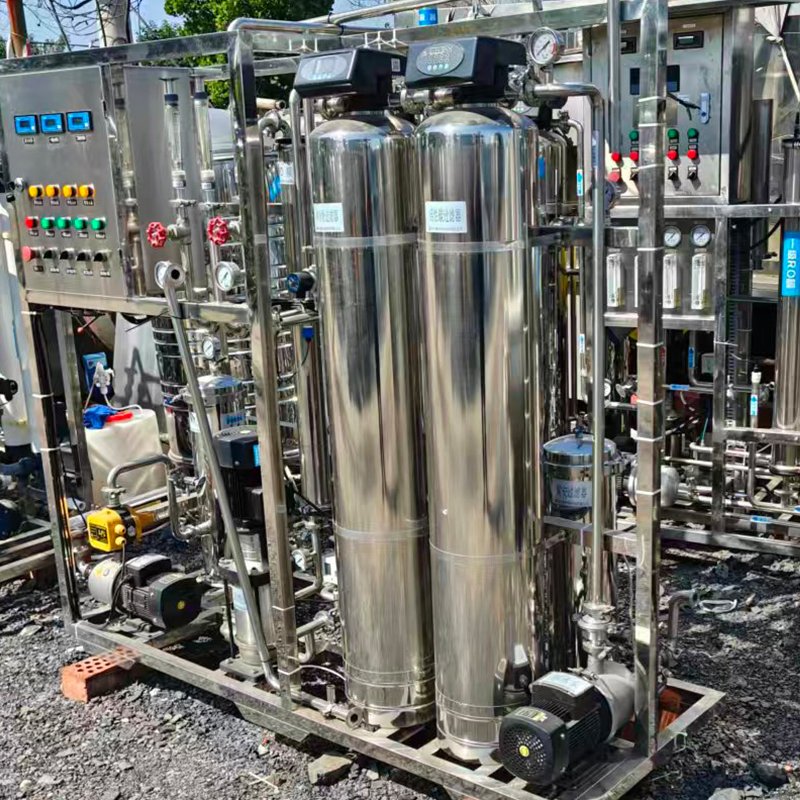
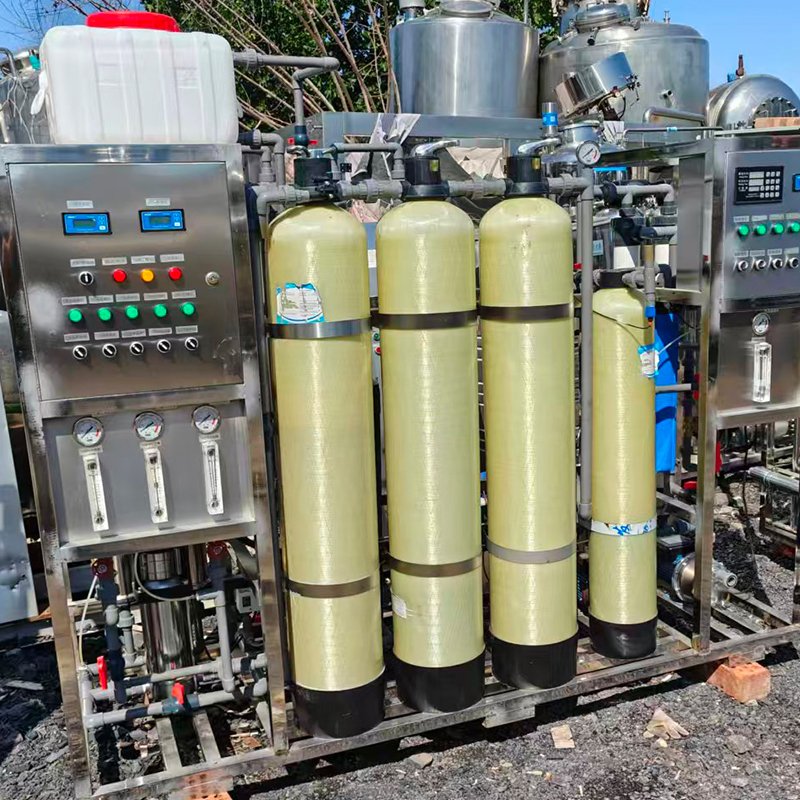
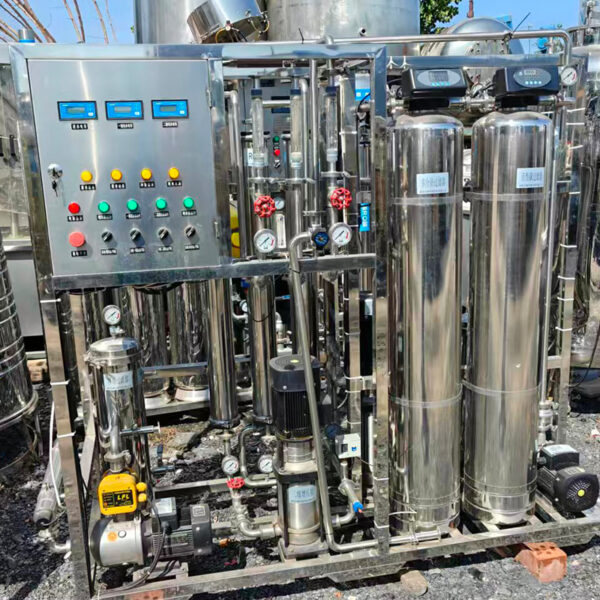
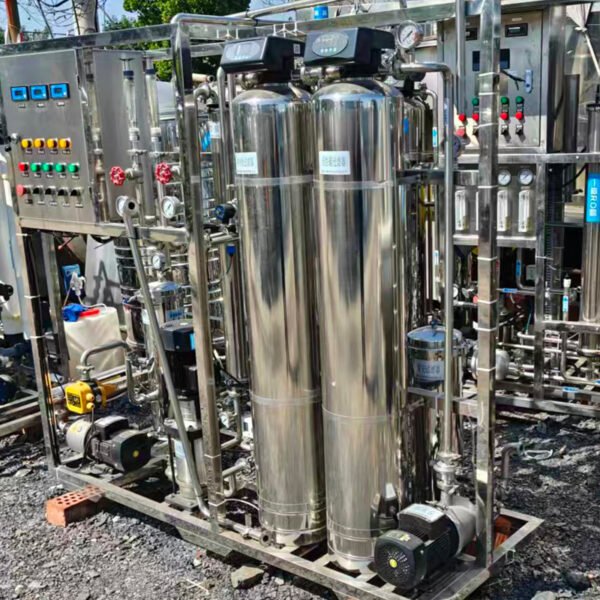
Different processes correspond to different core equipment, and the following are common equipment.
· Pretreatment equipment
· Filtering equipment
· Biological treatment equipment
· Sludge treatment equipment
· Monitoring and control equipment
Water treatment is a core link in ensuring water resource safety, controlling water pollution, supporting industrial production and meeting people’s livelihood needs. The choice of its technology needs to be comprehensively determined based on water quality characteristics, treatment goals and cost budgets, and at the same time, it must comply with national environmental protection standards and industry regulations.