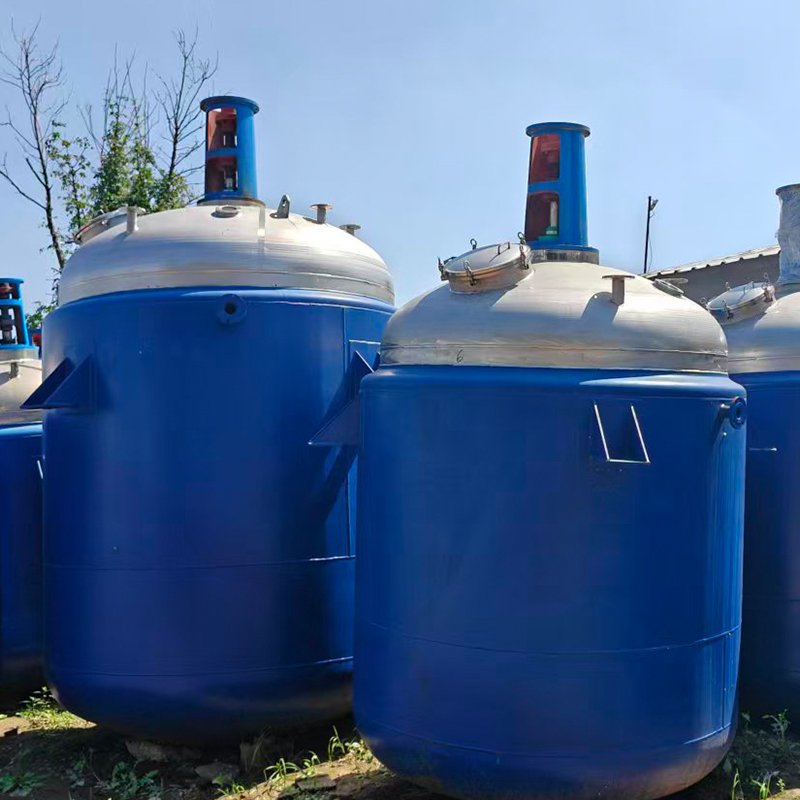

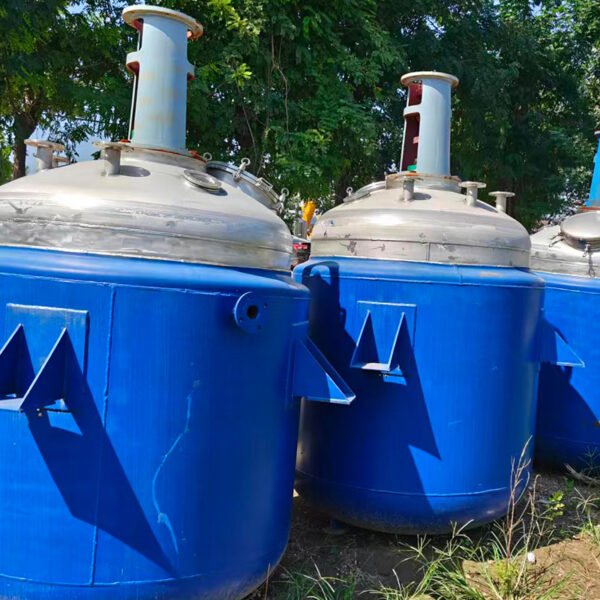
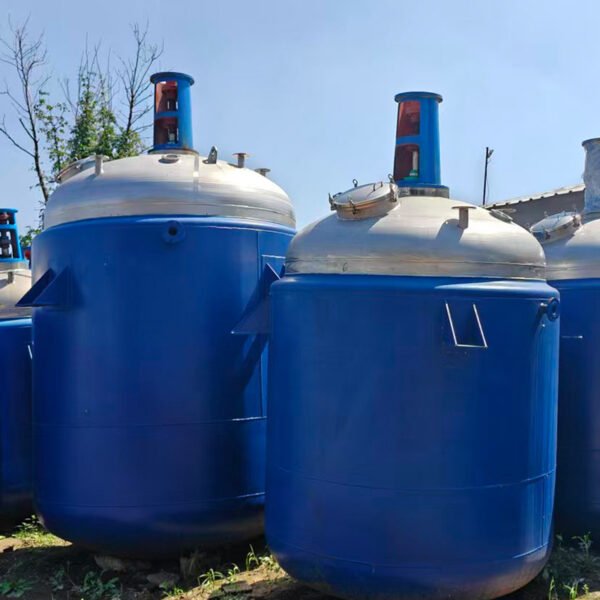
Structural Composition
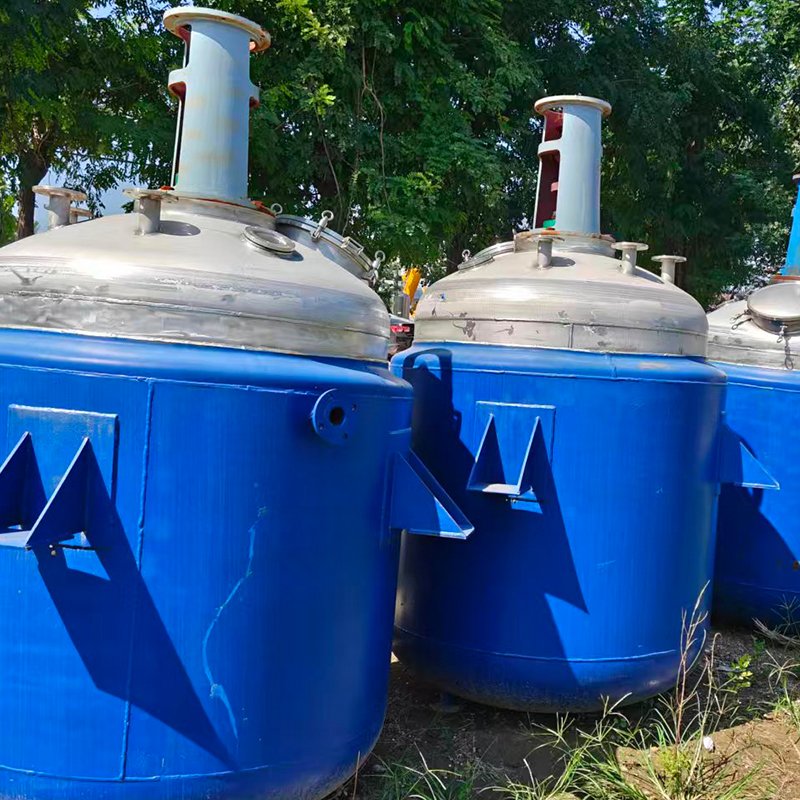
Tank Body: It is the main body of the reactor, made of stainless steel materials. Different stainless steel grades can be selected according to process requirements, such as SUS304, SUS316L, etc. The inner surface is usually mirror-polished to facilitate cleaning and meet hygiene standards.
Tank Cover: It cooperates with the tank body to form a closed reaction space. Various interfaces can be set on it, such as feed port, discharge port, sight glass, thermometer interface, etc.
Agitator: Common agitation forms include paddle type, anchor type, frame type, ribbon type, wall-scraping type, etc. High-speed types include dispersing impeller type, turbine type, etc. They can be selected according to the nature of the materials and the requirements of the reaction process to achieve uniform mixing of materials.
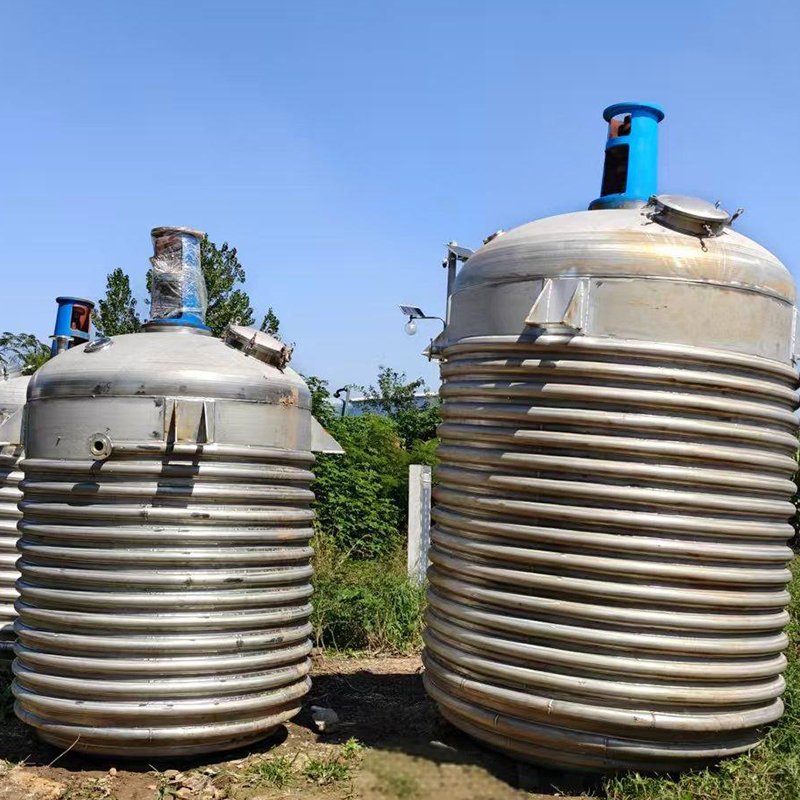
Jacket: It is generally sleeved on the outside of the tank body. The jacket forms are divided into jacket type and outer half-pipe type, which are used for heating or cooling materials. The heating forms include electric heating, oil heating, gas heating, water heating, etc.
Support and Transmission Device: The support types include suspended lug type or floor-standing leg type, etc. The transmission device is composed of a motor, a reducer, a coupling, etc., and is used to drive the agitator to rotate.
Shaft Seal Device: It includes ordinary water-cooled packing seal, combined PTFE packing seal, mechanical seal, etc., which are used to prevent the leakage of materials in the tank.
Working Principle
Stainless steel reactors, through the rotation of the stirrer, cause materials to undergo movements such as convection, shear, and diffusion inside the tank, thereby achieving uniform mixing and sufficient reaction of the materials. At the same time, the reaction temperature can be controlled through jackets or other heating and cooling devices to meet process requirements.
Features
Good corrosion resistance: The parts in contact with materials are made of stainless steel, which can resist corrosion from various chemical media and is suitable for reactions of materials with different properties.
High temperature resistance: It can withstand relatively high temperatures, meeting the requirements of some reaction processes that need to be carried out under high-temperature conditions.
Hygienic and pollution-free: The inner surface is smooth, easy to clean, meets the hygiene standards of industries such as food and medicine, and can ensure product quality.
Easy to operate: Equipped with various control and monitoring devices, such as thermometers and pressure gauges, which can monitor the reaction process in real-time. Moreover, operations such as heating, cooling, and stirring are relatively convenient.
Application fields
Chemical industry: Used in chemical reaction processes such as organic synthesis, oxidation, reduction, hydrolysis, and esterification.
Pharmaceutical industry: Applied in production links such as drug synthesis, extraction, crystallization, and drying to ensure the quality and safety of pharmaceutical production.
Food industry: Can be used in the production of jams, sauces, protein products, etc. Its stainless steel material is harmless to food safety and easy to clean and disinfect.
Petrochemical industry: Used in reactions and processing during the production of oil refining, liquefied natural gas, etc., and can withstand high-temperature and high-pressure working environments.
Environmental protection field: Mainly used in the operation of environmental protection systems such as wastewater treatment and waste gas treatment to help purify wastes.